What should you ask before approving residential locksmith work?
Getting the details right before a locksmith starts
When a lock fails, a lost key leaves you stranded, or a deadbolt repair is needed, the natural response is to call the nearest locksmith and say yes to whatever they suggest. But a few minutes of asking the right questions can save you from poor workmanship, unnecessary charges, and a lock that fails again in a few months. Before you approve any residential locksmith work, there are specific things you should know. This article walks through the key questions to ask so you can feel confident the job will be done properly.
The most important step happens before any tools touch your door. A professional locksmith should be willing to answer your questions clearly and without pressure. If they rush you or brush off your concerns, that is a red flag. Take your time, and make sure you understand what will be done, why, and what it will cost.
Is the locksmith licensed and insured?
This is the first question to ask. In many areas, locksmiths need a license to operate legally. A licensed locksmith has met basic requirements and can be held accountable if something goes wrong. Insurance matters just as much. If the locksmith damages your door jamb, strike plate, or lock cylinder while working, insurance covers the repair. Without it, you could be left with the bill. Ask for proof of license and insurance before any work begins. A legitimate professional will provide it without hesitation.
Can you give a written estimate before starting?
Always request a written estimate that lists the cost of labor, parts, and any additional fees. A reputable locksmith can provide this before they begin. The estimate should include the price of the deadbolt or lock cylinder if a replacement is needed. It should also state what the labor covers - for example, does it include adjusting the door alignment if the deadbolt does not line up? Some locksmiths charge extra for that. A written estimate protects both you and the locksmith and prevents surprise charges when the job is done.
What brand and grade of deadbolt will you use?
Not all deadbolts are the same. Residential deadbolts come in different grades, usually Grade 1, 2, or 3. Grade 1 is the strongest, often used on commercial doors, but it can be overkill for a home. Grade 2 is a good balance of security and cost for most residential doors. Grade 3 is the minimum standard and is common in budget builds. Ask the locksmith which grade they recommend and why. Also ask about the brand. Some brands have better security features, such as hardened steel bolts or pick-resistant keyways. A good locksmith can explain the options and help you choose what fits your door and your budget.
Will you replace just the lock cylinder or the whole deadbolt?
This question is especially relevant for deadbolt repair. Sometimes only the lock cylinder needs replacing, which is less expensive and less invasive. Other times the entire deadbolt assembly must be replaced, especially if the bolt itself is damaged or the mechanism is worn out. A locksmith should be able to inspect the lock and tell you which option is needed. If they immediately suggest replacing the whole unit without explaining why, ask them to explain the specific problem. A trustworthy professional will take the time to show you what is wrong and why a full replacement is necessary.
Do you need proof of residence before duplicating keys or rekeying?
For security reasons, a responsible locksmith will ask for proof that you live at the address before they rekey locks or make duplicate keys. This could be a driver's license with the address, a utility bill, or a lease agreement. If the locksmith does not ask for proof of residence, that is a concern. It suggests they may not follow standard security practices. For apartment dwellers, the building manager may need to be involved, especially if the lock is a master-keyed system. Ask the locksmith how they handle this and what documentation they need from you.
What is the warranty on parts and labor?
Any new deadbolt or lock cylinder should come with a manufacturer's warranty. The locksmith should also offer a warranty on their labor. Ask what is covered and for how long. A typical labor warranty is 30 to 90 days, but some locksmiths offer longer. If the deadbolt repair fails shortly after installation, you do not want to pay for the same work again. A warranty gives you peace of mind that the locksmith stands behind their work.
How long will the job take?
Most residential locksmith jobs are straightforward and take less than an hour. A deadbolt replacement or repair usually takes 30 to 45 minutes. If the door alignment is off, it may take longer because the strike plate or door jamb needs adjustment. Ask for a time estimate before they start. This helps you plan your day and also sets a baseline. If the job drags on much longer than expected without a good reason, you may be dealing with an inexperienced locksmith.
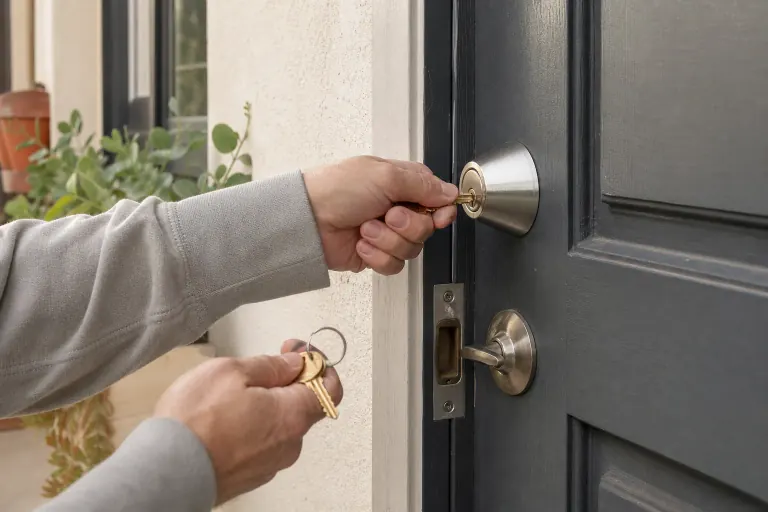
What happens if the lock is damaged during the repair?
Even careful work can sometimes cause damage, especially on older doors where the wood is brittle or the strike plate is rusted. Ask the locksmith how they handle accidental damage. A professional will have insurance for this situation and will repair or replace the damaged part at no extra cost. If the locksmith's answer is vague or they say "it won't happen," that is not a good sign. It is better to know in advance how they handle problems.
Can you show me what needs to be repaired?
A good locksmith will take the time to show you the problem. For a deadbolt repair, they can point out a misaligned strike plate, a worn lock cylinder, or a damaged bolt. They can explain why the lock is sticking or not turning smoothly. Seeing the problem yourself helps you understand why the repair is needed and why the cost is what it is. If the locksmith just tells you "it needs to be replaced" without showing you, ask to see the issue.
If you need a reliable locksmith connection service in Los Angeles, RR Locksmith Connect can help you find available providers for home, business, and vehicle lock and key needs. They connect you with local professionals who have been vetted, so you can feel confident before approving any work.
What to do if you are still unsure
If after asking these questions you are not comfortable, it is okay to get a second opinion. Another locksmith can inspect the same lock and give you their assessment. Comparing estimates and explanations can help you make a better decision. Also, check online reviews or ask for references. A locksmith who has been in business for a while and has a solid reputation is more likely to do good work. Taking an extra half hour to find the right person can save you from a bad experience.
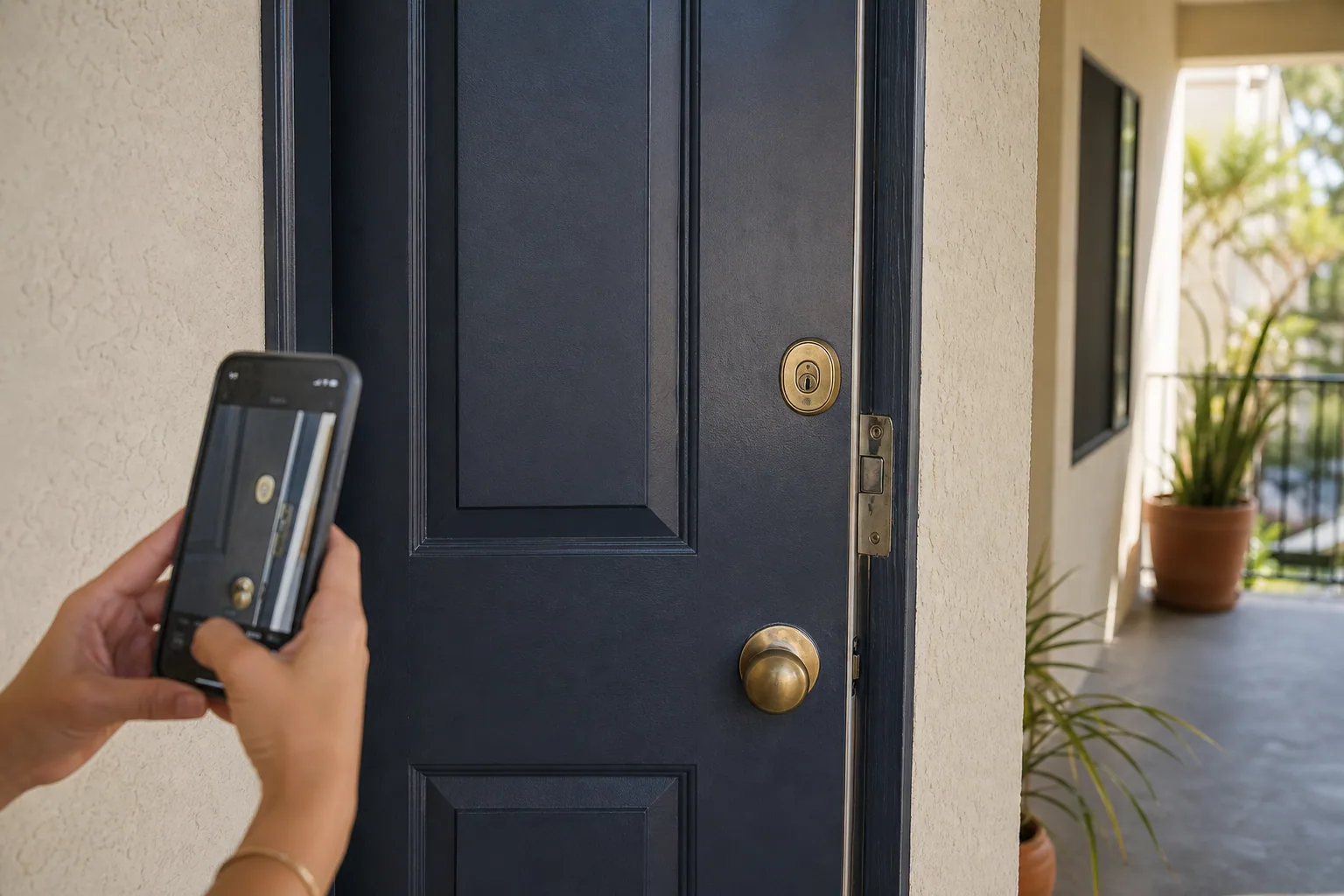
Remember, a locksmith's job is to make your home secure, not to sell you parts you do not need. When you ask the right questions, you protect yourself and your property. The next time you face a deadbolt repair or any lock issue, use these questions as a guide. They will help you approve work with confidence and get a result that lasts.
For those in Los Angeles who need a fast and trustworthy connection to a locksmith, RR Locksmith Connect provides a simple way to find available providers without the guesswork. Whether it is a broken key, a stuck deadbolt, or a full lock replacement, having a reliable service to turn to makes the whole process easier.